.jpeg)
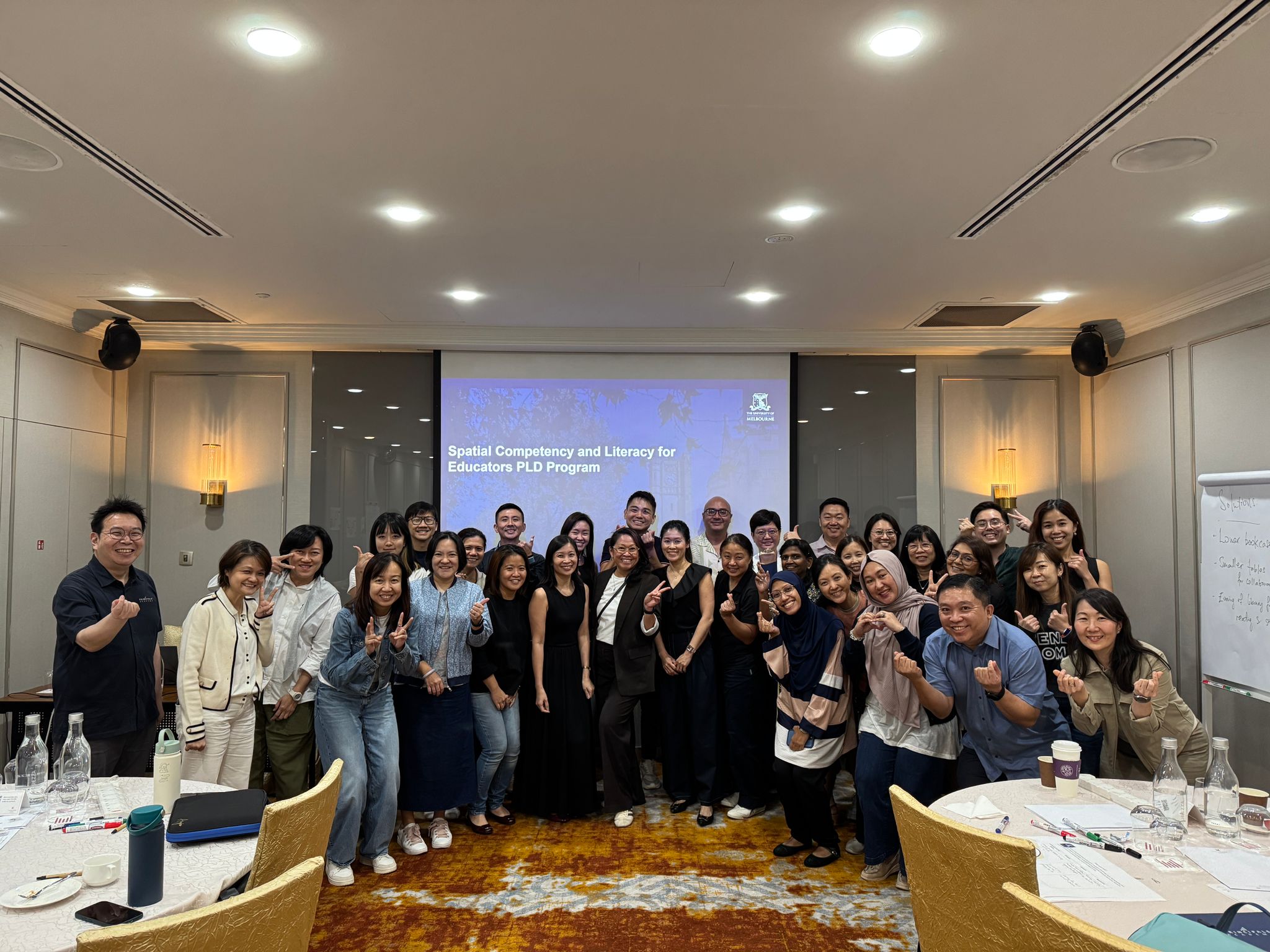
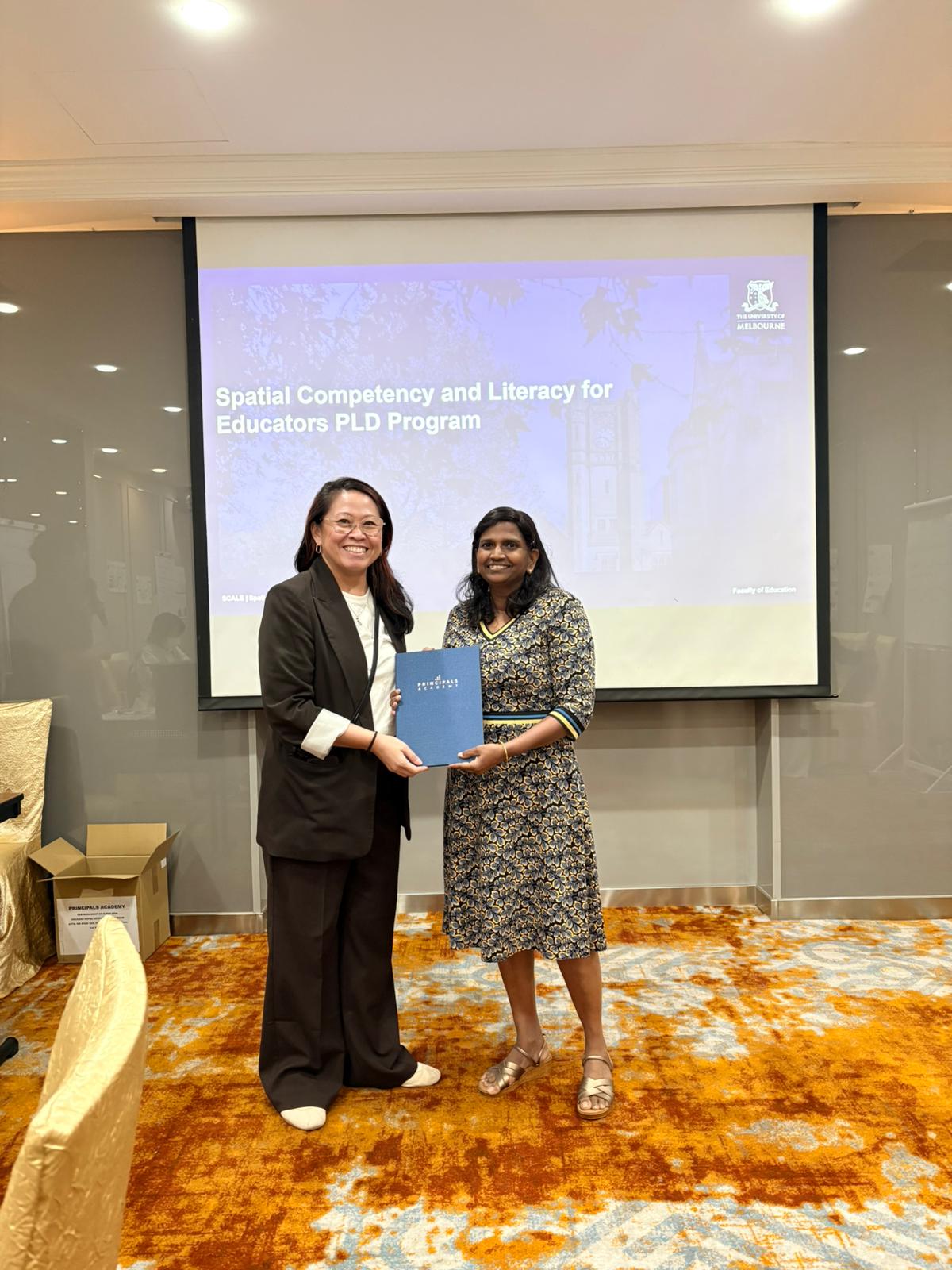
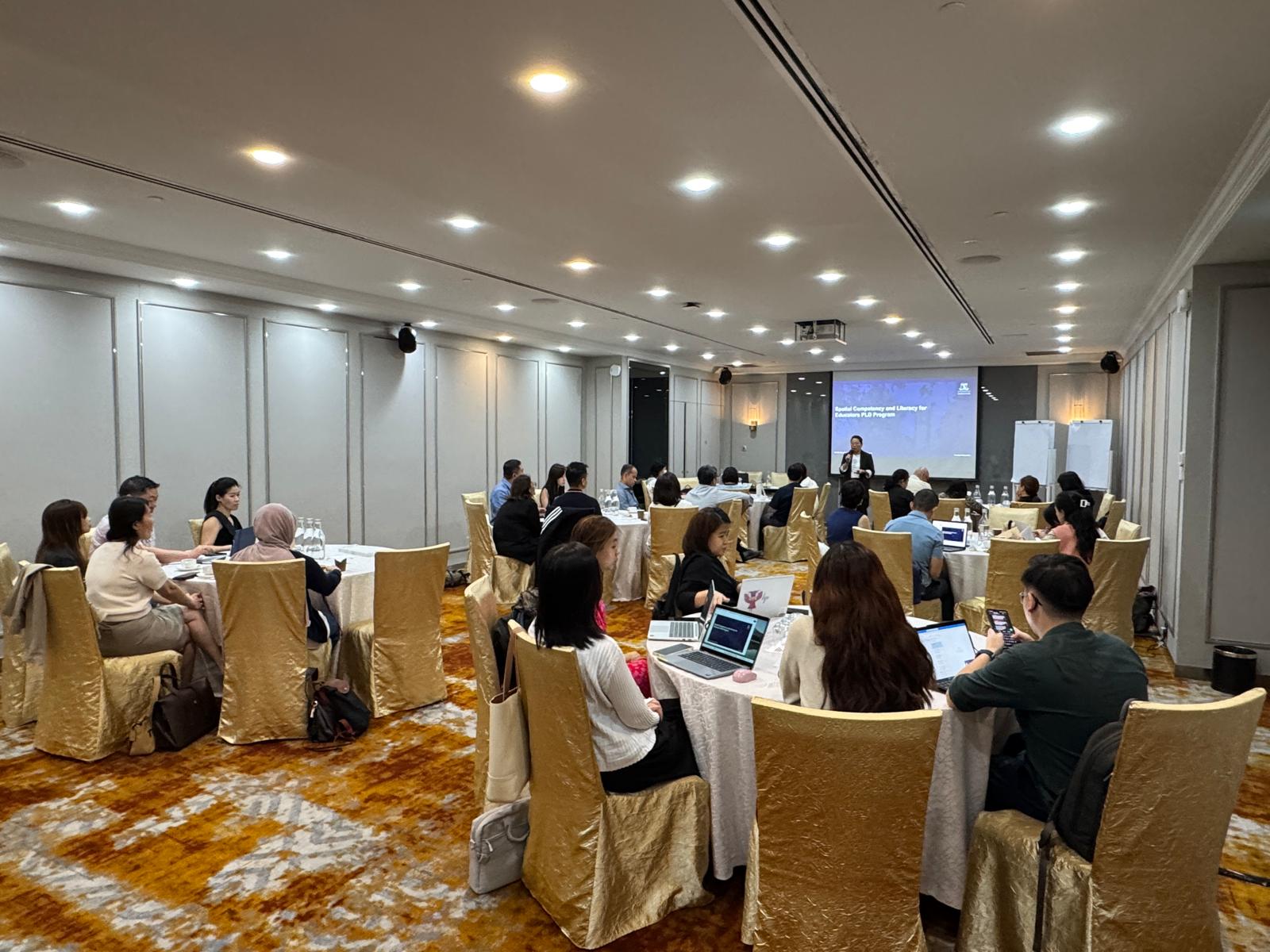
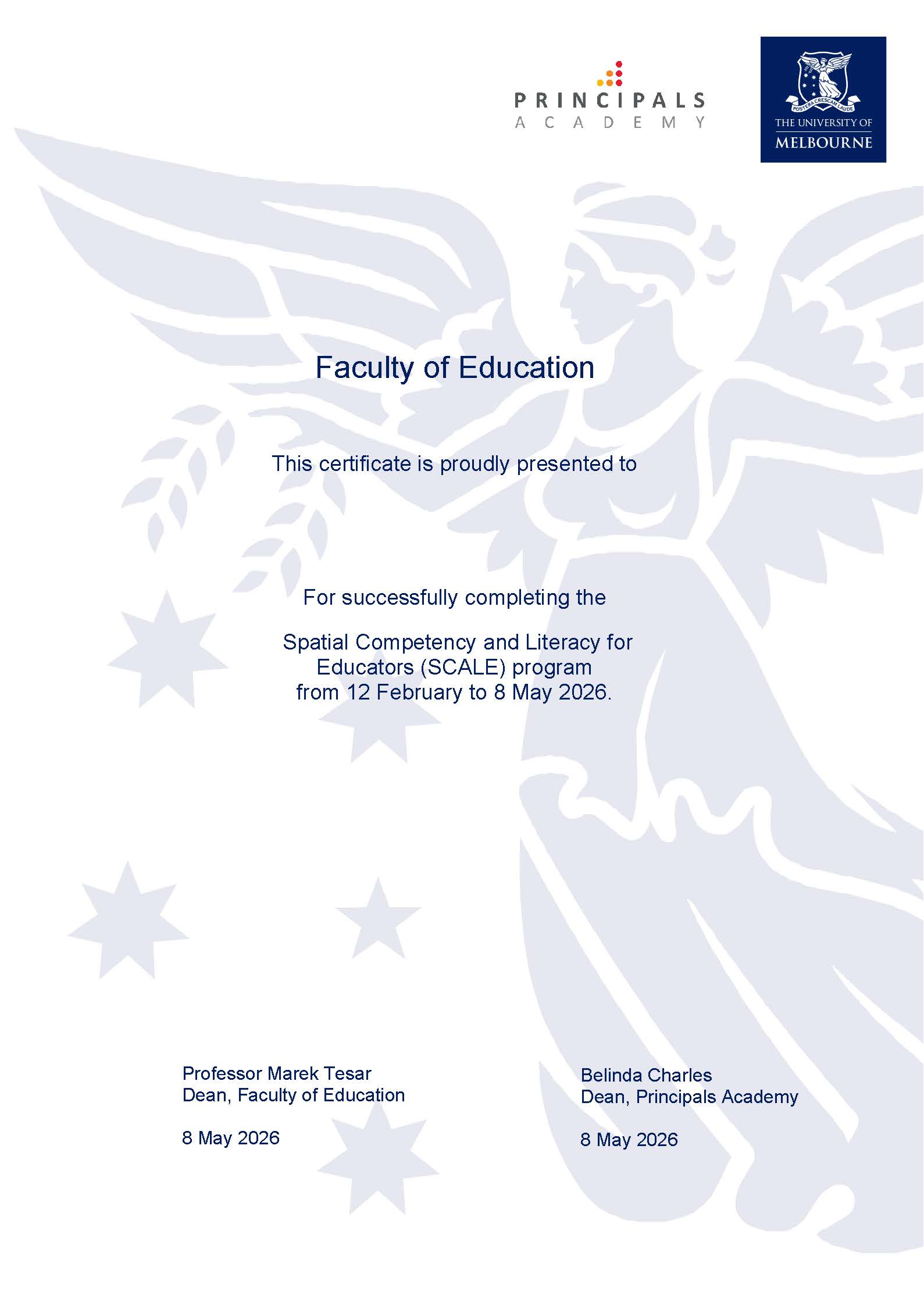
A total of 35 school leaders and key personnel participated in the Spatial Competency and Literacy for Educators programme, held from 12 February to 8 May 2026. Conducted by Associate Professor Marian Mahat and her team from the University of Melbourne, the programme was delivered through a blended format of online and face-to-face sessions across two school terms. It aimed to deepen educators’ understanding of how school learning environments can be intentionally designed, used and evaluated to support better teaching and learning outcomes.
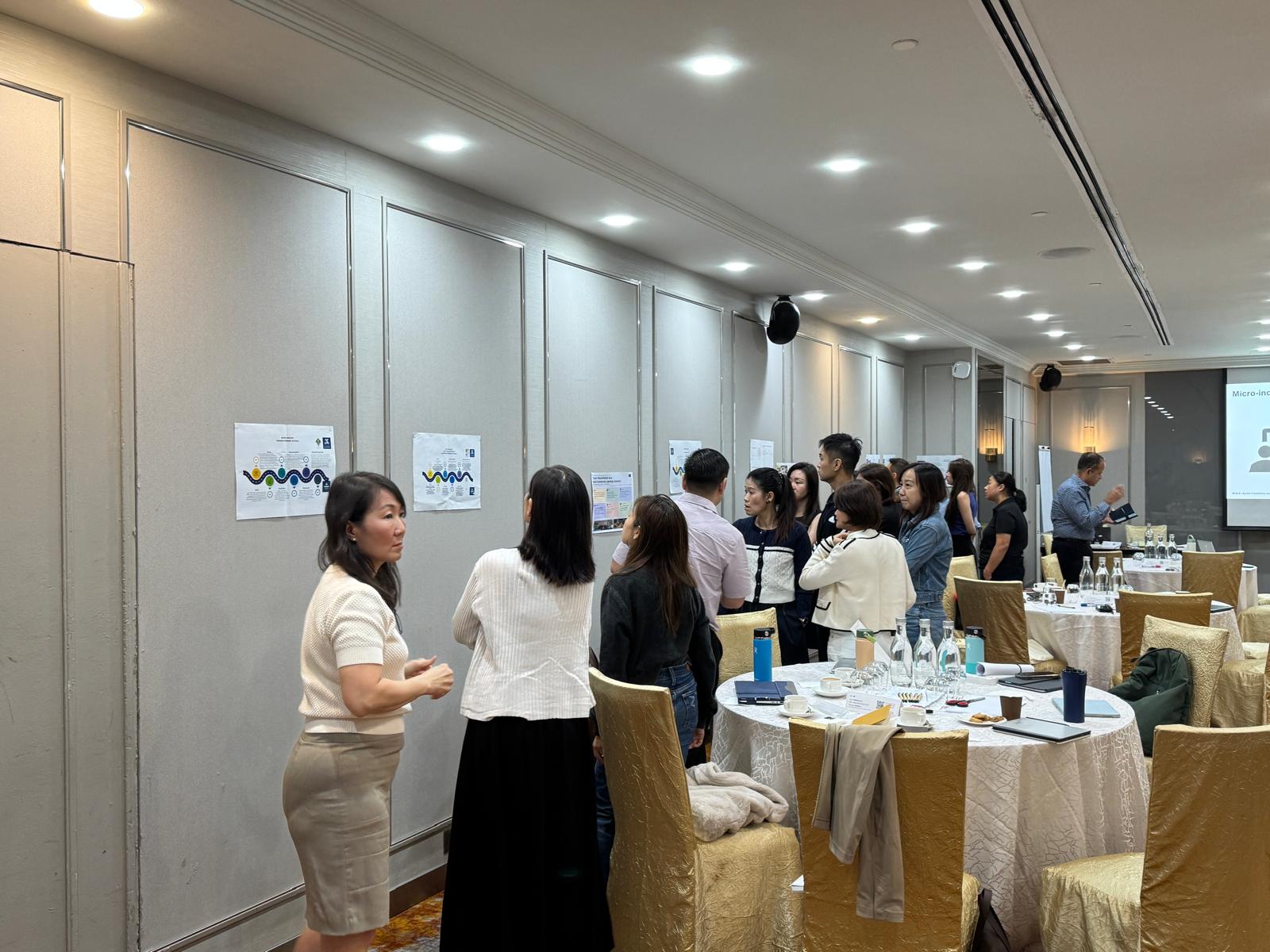
Comprising five modules, the programme explored key areas such as why space matters, teaching and learning in innovative spaces, student engagement, teacher collaboration, and the evaluation and scaling up of innovative learning environments. Through direct instruction, case studies, whole-group discussions, collaborative breakout activities and an embedded micro-inquiry component, participants were encouraged to connect research with practice and reflect on how physical and pedagogical design can shape student engagement, wellbeing and learning.
The programme highlighted the growing importance of spatial competency and literacy in education, particularly as schools rethink how learning spaces can be more flexible, agile and responsive to students’ needs. By the end of the programme, participants gained deeper insights into school learning environments, strengthened their capacity to design and teach in innovative spaces, and developed leadership skills to guide others in the effective use and evaluation of learning environments.