
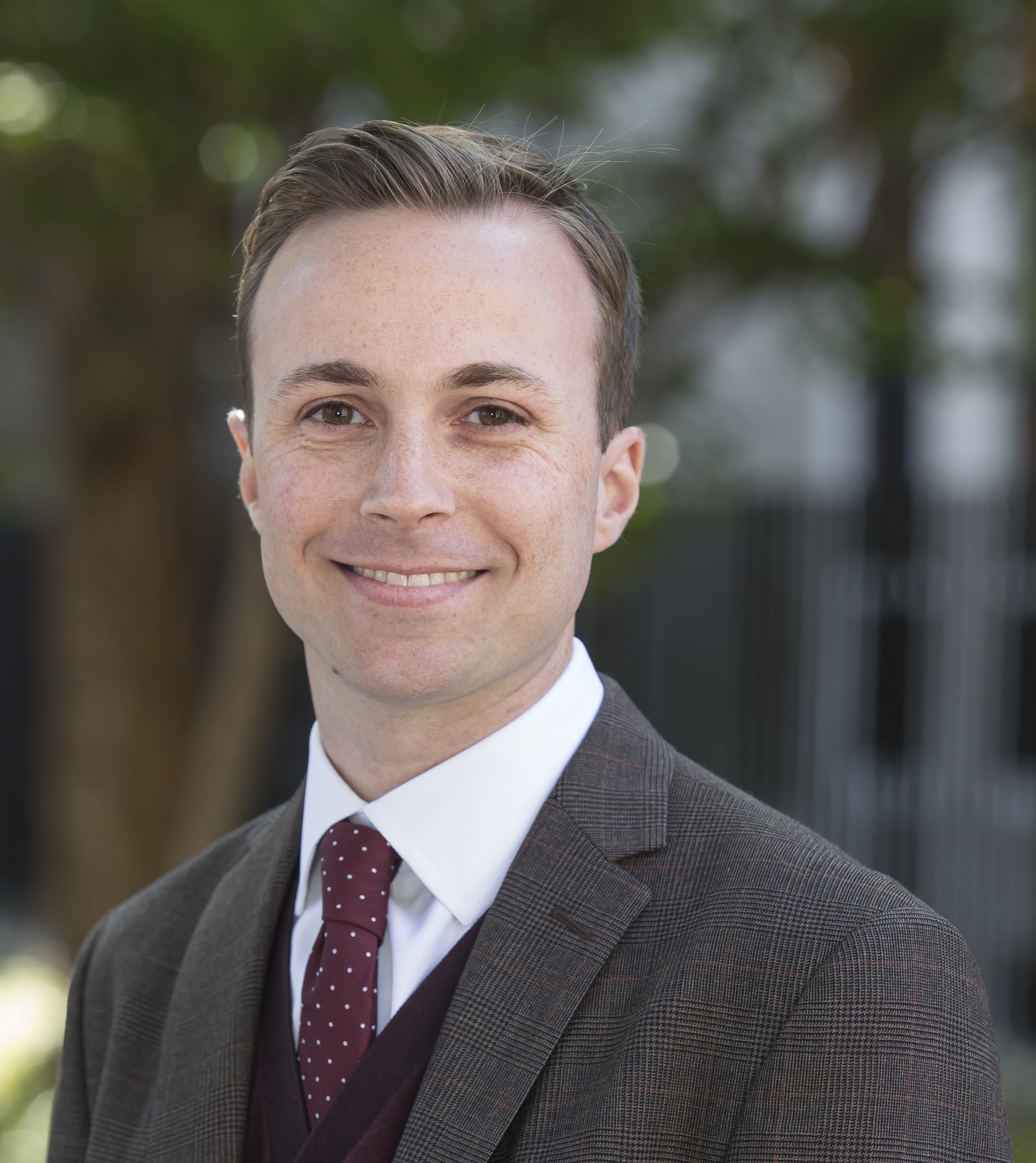
Tim Patterson is an Associate Professor of Teaching and Learning at Temple University in Philadelphia, USA. His work focuses on preparing teachers to nurture the values and dispositions of thoughtful, engaged citizens. A former secondary social studies teacher, he studies how teachers make pedagogical decisions about civic and global issues. He is co-principal investigator of DISCUSS Philadelphia (discussphilly.org), a collaboration between Temple University and the University of Pennsylvania funded by the James S. McDonnell Foundation. The project supports teachers in facilitating student-centered discussions of important civic issues. Its collection of “dilemmas,” real classroom scenarios written by teachers, helps educators build respectful classroom communities and handle the tensions that arise when students bring diverse perspectives to the conversation. His research has appeared in such journals as Teaching and Teacher Education, the Journal of Teacher Education, Teachers College Record, and Theory & Research in Social Education.
Patterson has consulted for Singapore’s Ministry of Education and leads professional development on facilitating student-centered discussions of civic and ethical questions. He was named Outstanding Educator in Consultancy by the Academy of Singapore Teachers in 2026 and received Temple University’s Lindback Award for Distinguished Teaching in 2022.
About the Workshops - Dilemmas of Discussion: Who am I Becoming as a Facilitator?
Each workshop runs for a full day and is designed to stand alone, so teachers may attend any one day or several. Every day opens with a brief shared foundation (a dilemma hook, the Dynamic Systems Model of Role Identity (DSMRI), and the critical-friend stance), so no prior attendance is needed, and then builds toward its own anchor tool and a ready-to-use product: a dilemma map and one response to trial (Day 1), a rehearsed facilitation move (Day 2), a ready-to-use Character and Citizenship Education (CCE) discussion plan (Day 3), and a school-based critical-friend plan (Day 4). Teachers who attend more than one day deepen their practice rather than repeat it: the identity work of Day 1 informs the moves rehearsed on Day 2, the discussions designed on Day 3, and the communities built on Day 4. School teams that attend together can build a shared language for discussion practice across the school. The series brings together work on discussion facilitation, dilemmas, and the DSMRI with the Social Studies Discourse Instrument (SSDI), the CCE frame, and a sustained emphasis on the critical-friend stance.
Course Code: TP20727
Topic: Listening During Discussions: Moves for Student-Centered Discourse
Presenter(s): Assoc Professor Tim Patterson
Date(s): 20 July 2027, Tuesday
Time: 9.00 am to 5.00 pm
Venue: Orchard Hotel or otherwise to be confirmed
Closing Date: 26 February 2027, Friday
Workshop Fee: S$450.00 per participant (subject to GST). Fee includes two tea breaks and one lunch.
Please contact Joseph Loy by email at joseph@pai.sg or telephone: 6363 0330 if you require further information.
