
As mainstream classrooms become increasingly diverse, educators need practical strategies to support students with different learning, behavioural, and developmental profiles. This 1-day professional development programme is designed to help educators strengthen their understanding of neurodiversity and translate that understanding into more inclusive classroom practice.
Moving beyond awareness alone, the programme equips participants with practical approaches to create structured, supportive, and strengths-based learning environments that enable all students to participate meaningfully and learn successfully. It is especially relevant for educators seeking to better understand learner variability, support students with additional learning needs, and design classroom practices that are inclusive, developmentally appropriate, and responsive to students’ needs and interests. These emphases align closely with the TGM’s focus on valuing every student as an individual, including those with SEN, establishing inclusive learning environments, and designing meaningful learning experiences that respond to student diversity.
Module 1 (Day 1)
Thinking Differently: Understanding Neurodiversity and the Neurodivergent Learner
This module sets out to establish a foundational understanding of neurodiversity and its implications for teaching and learning. Participants will look at some of the more common learning and developmental differences in school settings and consider how these may affect attention, communication, organisational skills, processing, behaviour, and classroom participation.
Module 2 (Day 1)
Inclusivity in Action: Designing Inclusive Classrooms for Diverse Learners -Part I
This module focuses on how educators can apply inclusive teaching approaches in real classroom settings. Using inclusive design principles and the Universal Design for Learning framework as a guide, participants will explore how to plan proactively for learner variability, reduce barriers to participation, and create a more conducive and structured classroom environment.
Learning Outcomes
Topics include
Inclusive education is not only about support structures; it is also about everyday classroom practice. When educators better understand how students learn differently, they are better able to design learning experiences that are accessible, supportive, and responsive. This reflects the TGM’s emphasis on understanding students’ diverse needs, applying strategies based on those needs, building positive classroom culture, and adapting pedagogy and assessment for different student profiles and contexts.
Professional Competencies Strengthened
This programme supports educators in strengthening competencies in the following areas: Understanding Students and Their Diverse Needs
Develops teachers’ capacity to recognise learner variability, including the needs of students with SEN,
and to understand the factors that influence student learning and development.
Applying Strategies to Support Diverse Learners
Strengthens teachers’ ability to choose and apply strategies based on students’ needs and the factors
that support their learning and positive school experience.
Establishing a Caring, Enabling and Inclusive Learning Environment
Builds teachers’ ability to create inclusive and conducive environments for learning through classroom structures and routines, positive relationships, respectful tasks, and a culture of competence and connectedness.
Designing Inclusive and Responsive Pedagogical Practices
Enhances teachers’ ability to design and facilitate meaningful learning experiences that are inclusive, developmentally appropriate, and responsive to students’ needs and interests.
Using Research and Assessment Information to Improve Teaching and Learning
Strengthens teachers’ ability to interpret assessment information, identify learning gaps, and adapt pedagogical practices to better support students’ progress.
Building Supportive and Collaborative Practice
Supports teachers in contributing to a classroom and school culture that values diversity, promotes mutual respect, and works collaboratively to support students more effectively.
Target Audience: School Leaders, Key Personnel, Senior Special Education Needs Officers
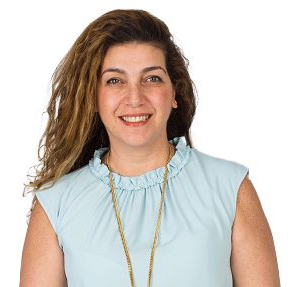
Sharon Solomon is the Founder and Managing Director of The Winstedt School, established in 2009. She plays a pivotal role in advancing inclusion and neurodiverse education across the globe. Sharon has taught in both the private and public sectors and served as a sessional lecturer in the field of inclusion. Sharon also partnered with the Dyslexia Association of Singapore to establish its first library and has held board positions with AWARE and Ronald McDonald House Charities Singapore. Her leadership and advocacy continue to shape the educational landscape for neurodiverse learners.
Course Code: SS15726
Topic: Understanding Neurodiversity in Education: Supporting Diverse Learners in Inclusive Classrooms
Presenter(s): Ms Sharon Solomon
Date(s): 15 July 2026, Wednesday
Time: 9.00 am to 5.00 pm
Venue: Orchard Hotel or as otherwise advised
Workshop Fee: S$280.00 per participant and fee is subject to GST. The fee includes tea breaks and lunch.
Closing Date: 15 May 2026, Friday
Please get in touch with Joseph Loy by email at joseph@pai.sg or tel: 6363 0330 if you require further information.
