
This practical workshop explores how artificial intelligence can help educators respond more effectively to differences in students' readiness, prior knowledge, language, pace, interests and learning needs. Particular attention will be given to learners experiencing difficulties with reading, writing, comprehension, attention, organisation, working memory or communication.
Participants will use Singapore's Student Learning Space (SLS) and other school-approved AI tools to design accessible explanations, targeted scaffolds, differentiated pathways, formative feedback and varied ways for students to engage with learning and demonstrate understanding. AI will be treated as a support for professional judgement - not as a diagnostic system or substitute for specialised intervention, teacher-student relationships or appropriately challenging learning.
Objectives and Contents
Practical Learning Experience
The workshop will combine concise presentations, demonstrations, collaborative analysis and an extended design studio. Participants will bring or select an existing lesson and develop a classroom-ready differentiated learning experience through the following process:
Singapore Context and Learning Outcome
Activities will demonstrate relevant SLS capabilities, including subgroups and differentiated access, the Adaptive Learning System, Learning Assistant, Annotated Feedback Assistant, Short Answer Feedback Assistant, Data Assistant, Authoring Copilot and Speech Evaluation Tool, alongside other approved multimodal and accessibility tools. SLS can support personalised pathways, iterative feedback, analysis of misconceptions and differentiated intervention, subject to teacher configuration and oversight.
Participants will leave with a differentiated lesson or learning sequence, reusable AI prompts and design templates, and a practical framework for using AI to increase access and participation without compromising curriculum expectations, student independence or professional responsibility.
Who Should Attend
Primary and Secondary School Educators and Allied Educators
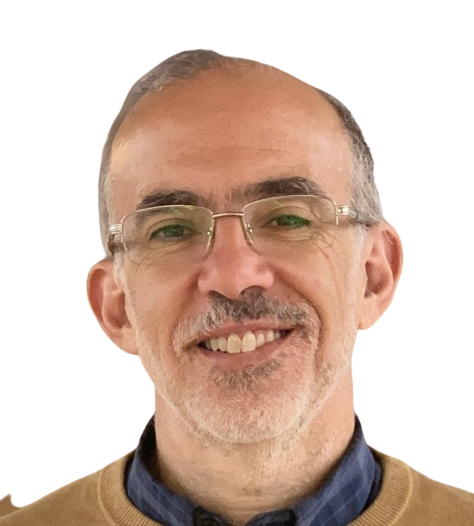
Gabriel Rshaid is a Senior Consultant with the Principals Academy. Gabriel is the co-founder and Director of The Learnerspace, a company whose mission is to help build the future of learning. He is also co-founder of The Global School, the first school of its type in Latin America, attempting to make educational change a reality. Formerly Headmaster of St. Andrew’s Scots School in Buenos Aires, Argentina, the oldest bilingual school in the world, he is a passionate educational futurist who is intent on sharing his belief that it is the best time in history to be an educator.
Course Code: GR30327
Topic: AI, Differentiated Instruction and Inclusive Learning
Presenter(s): Mr Gabriel Rshaid
Date: 30 March 2027, Tuesday
Time: 9.00 am to 5.00 pm
Venue: Orchard Hotel or as otherwise advised
Closing Date: 15 January 2027, Friday
Workshop Fee: S$450.00 per participant, subject to GST.
Please get in touch with Joseph Loy by email at joseph@pai.sg or tel:6363 0330 if you require further information.
